Wildlife at Kwalata Ranch
Discover the incredible wildlife that calls the ranch home.
From majestic antelope to smaller bushveld species, Kwalata Ranch offers guests the chance to experience wildlife in its natural habitat.
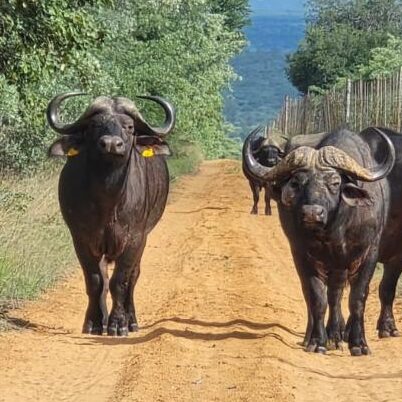
Large and powerful, the African Buffalo is often spotted grazing in open areas or near water sources. Known for its strength and strong herd structure, it is one of the iconic species of the bushveld.
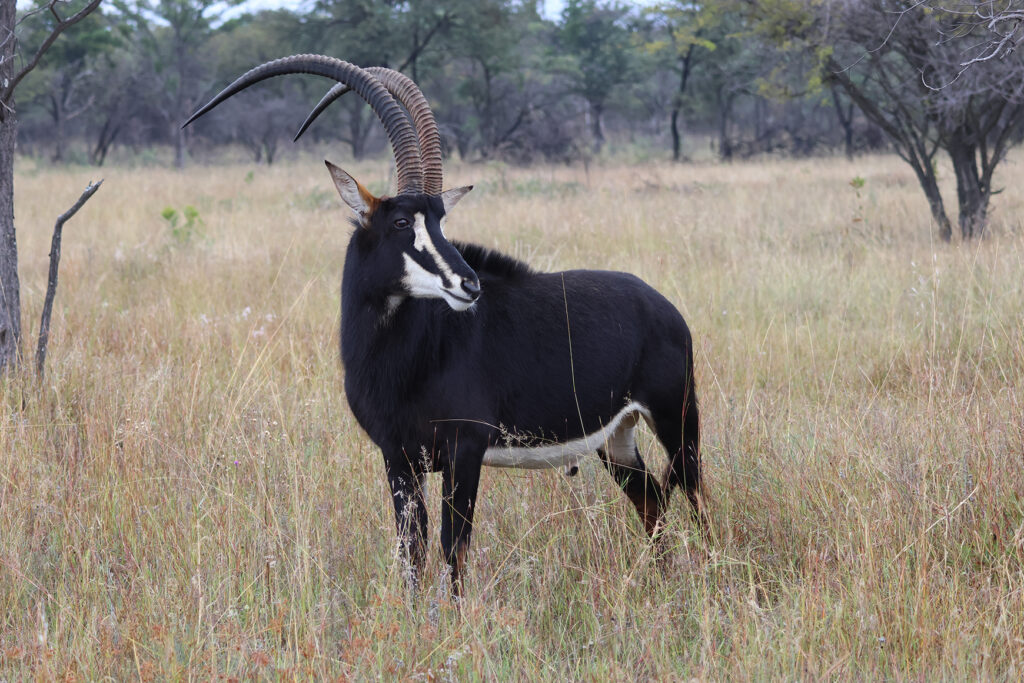
The sable antelope is one of the most striking animals of the African bushveld, known for its dark coat and long curved horns. Often found in woodland areas, these powerful antelope move gracefully through the bush and are a memorable sight for visitors.
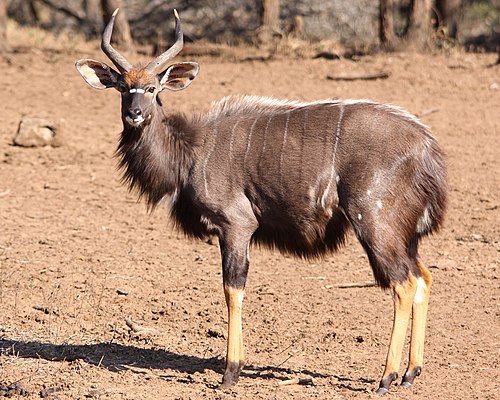
A graceful antelope often found in thicker bushveld areas. The nyala is easily recognised by its striped coat and elegant spiral horns.
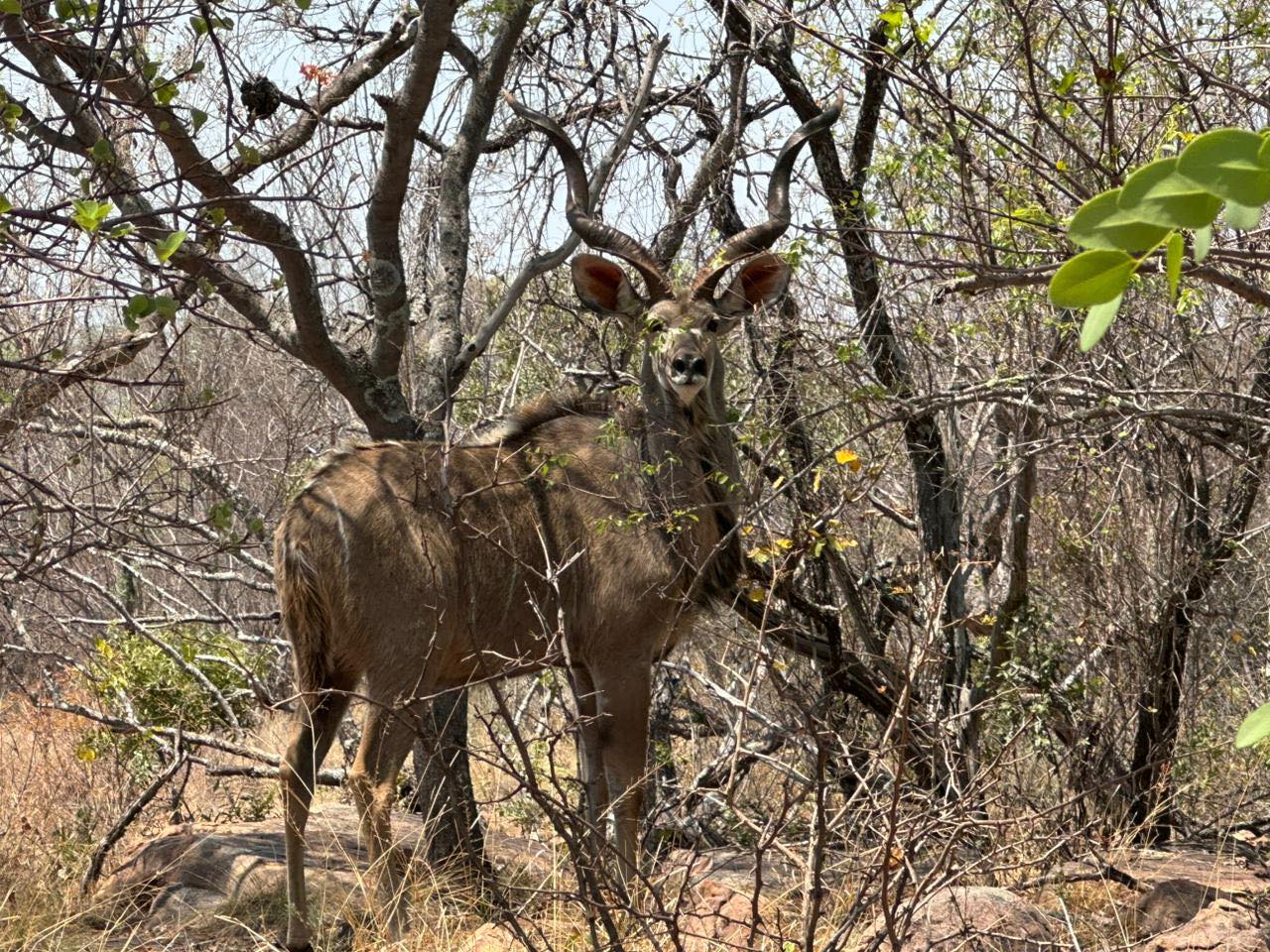
An iconic antelope of the African bushveld, the kudu is recognised by its impressive spiral horns and graceful movement through woodland areas.
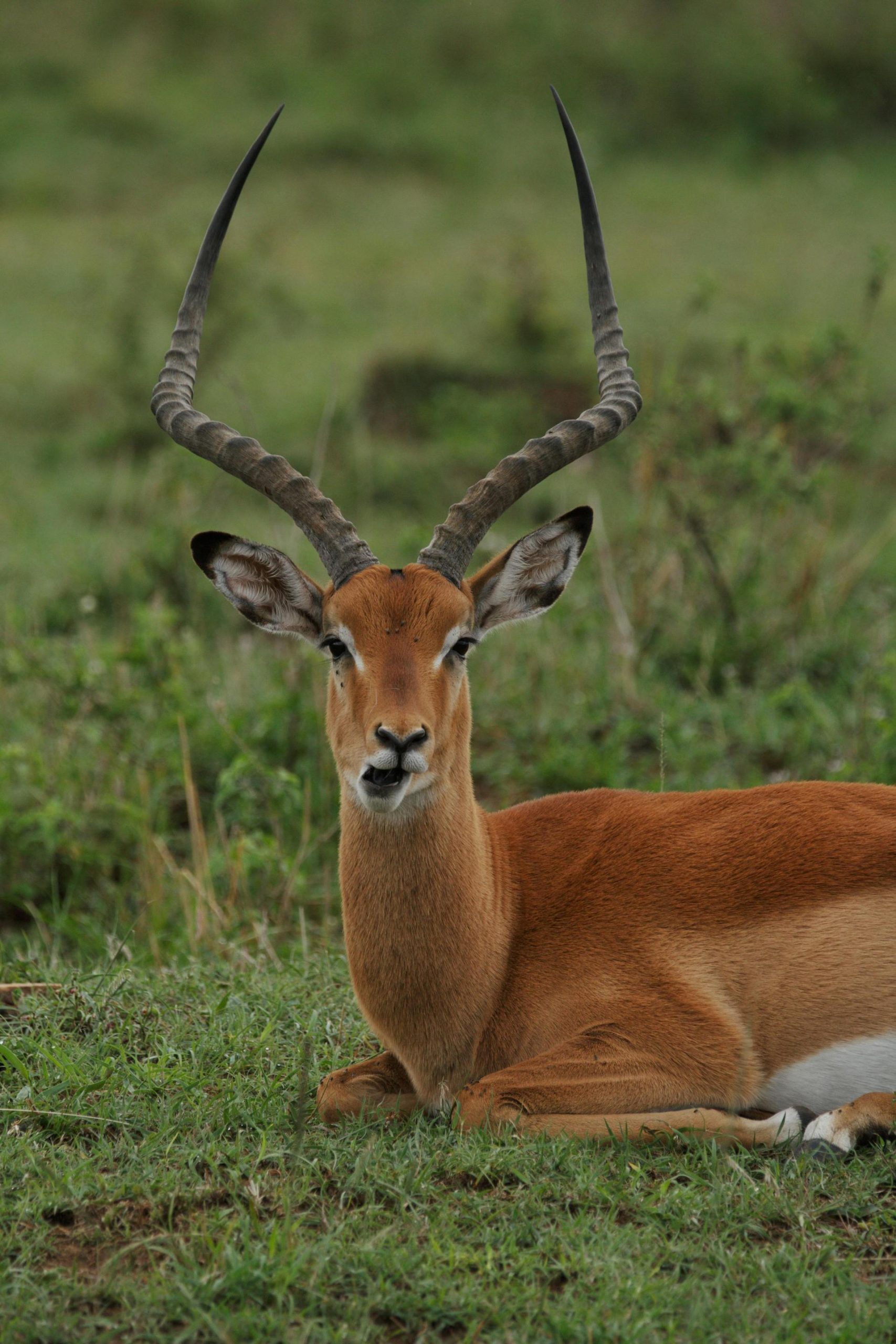
A graceful and agile antelope often seen in herds across the bushveld. Impala are known for their speed and spectacular leaps when escaping predators.
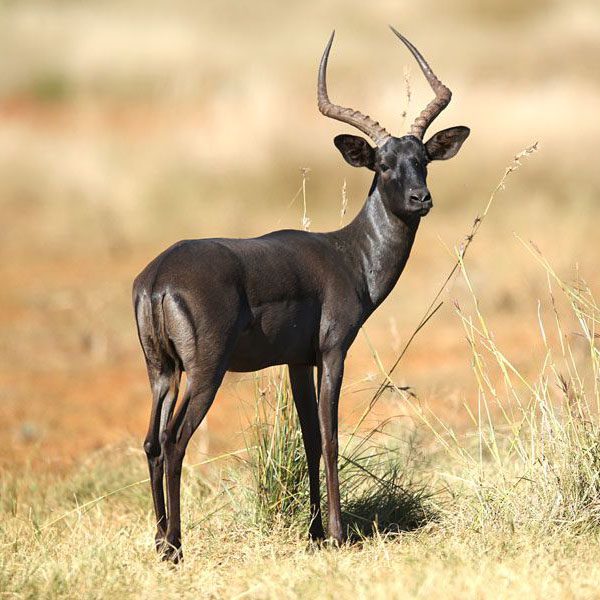
A rare color variant of the impala recognized by its dark coat and elegant build. These agile antelope are often seen grazing in open bushveld areas.
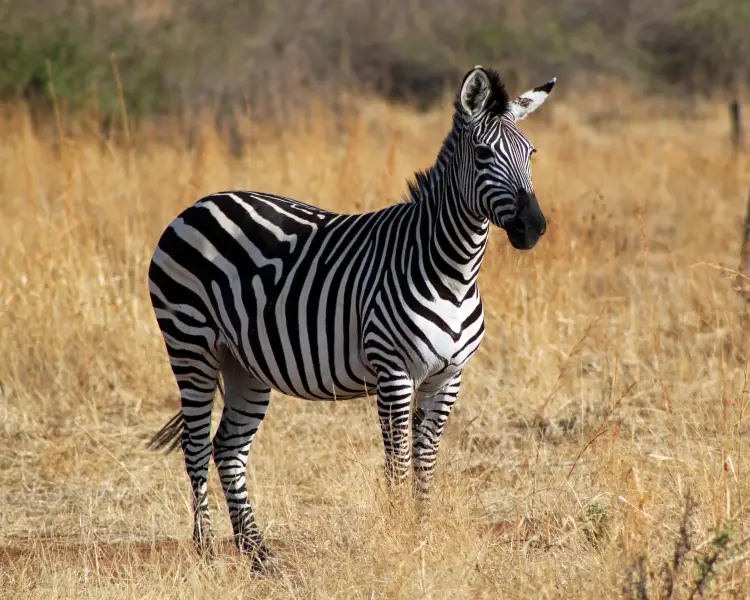
A highly recognizable species of the African bushveld, the zebra is known for its bold black and white stripes and is often seen grazing in small groups across open areas..
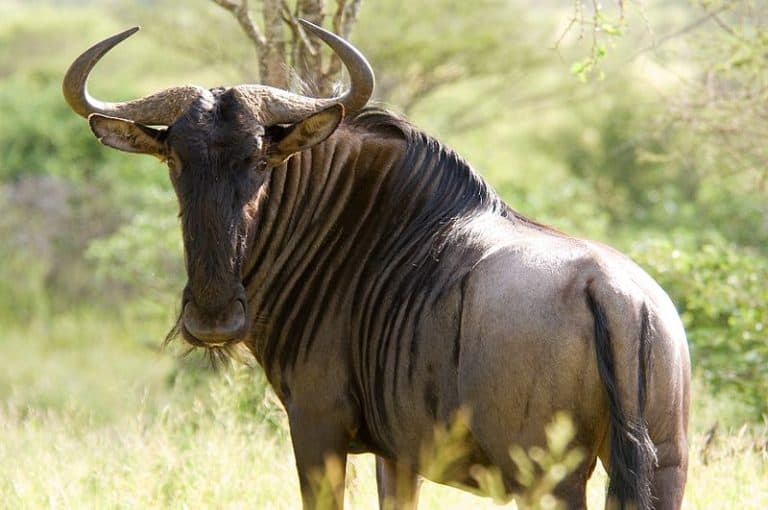
A strong and hardy species often seen grazing in herds across open bushveld areas. The blue wildebeest is recognized by its curved horns and distinctive build.
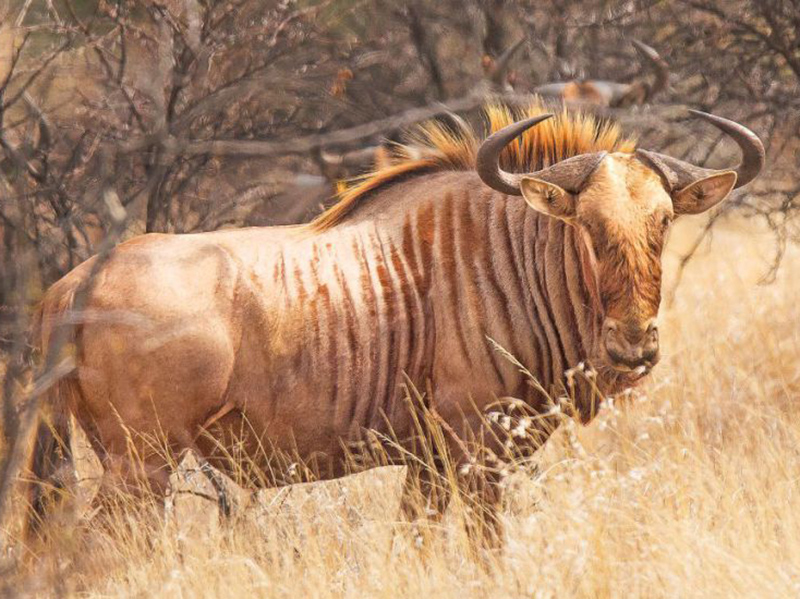
A rare color variant of the blue wildebeest, known for its striking golden coat and unique appearance. Often seen grazing in open bushveld areas.
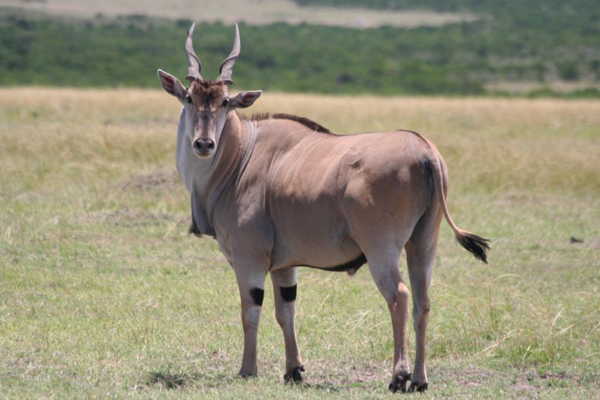
The largest antelope in Africa, the eland is recognized for its impressive size and calm temperament. These animals are often seen grazing peacefully in bushveld and open woodland areas.
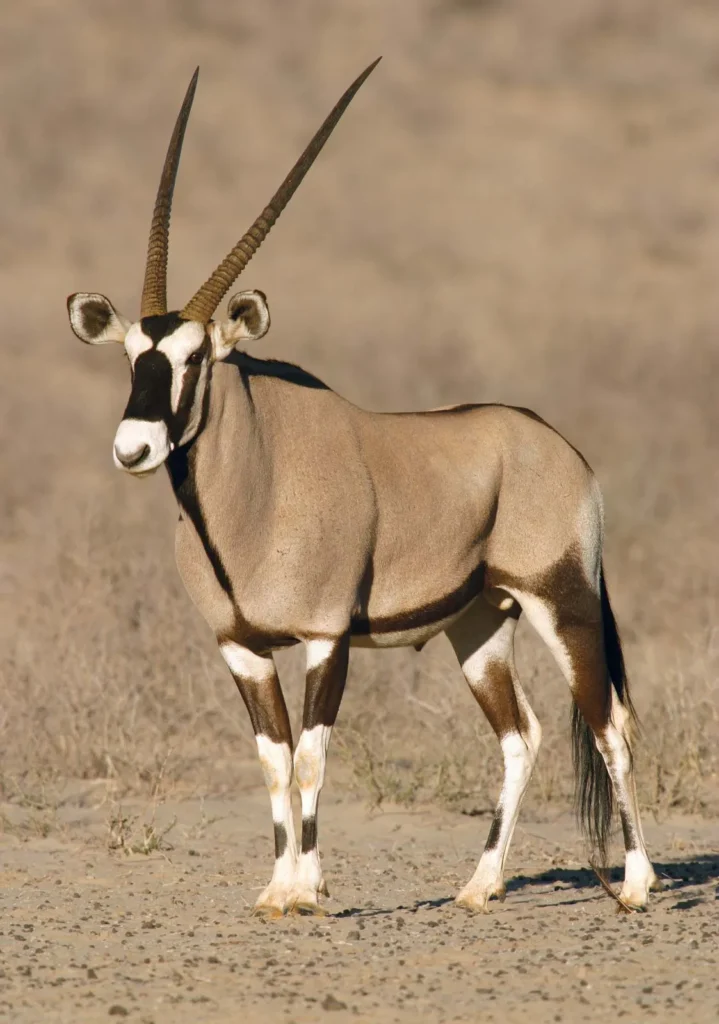
A powerful antelope known for its long straight horns and distinctive black-and-white facial markings. Gemsbok are well adapted to dry bushveld environments.
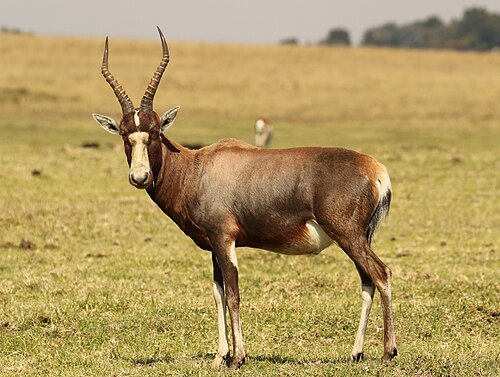
A social antelope recognized by the white blaze on its face. Blesbok are often seen grazing in groups across open bushveld and grassland areas.
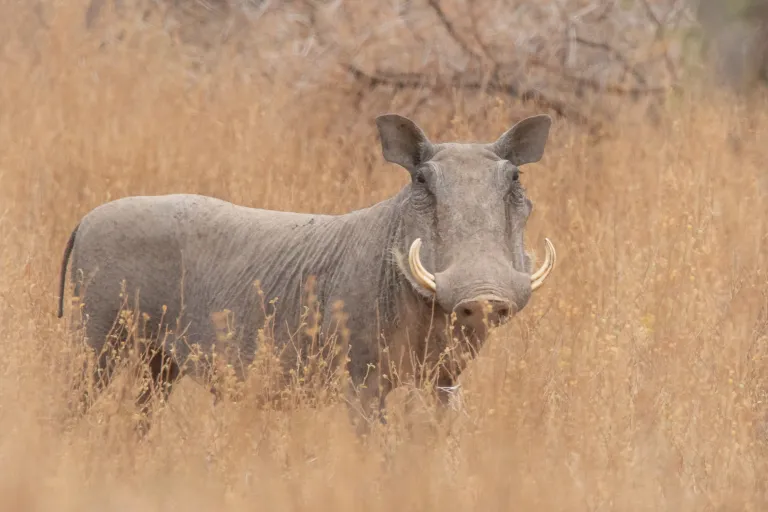
A hardy and adaptable animal known for its curved tusks and distinctive appearance. Warthogs are often seen grazing in open bushveld areas.
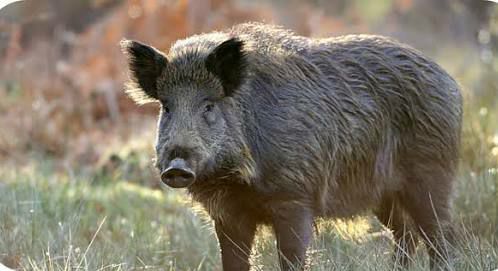
A shy and mostly nocturnal animal that prefers dense bushveld and woodland areas. Bushpigs are usually active at night and are rarely seen during the day.
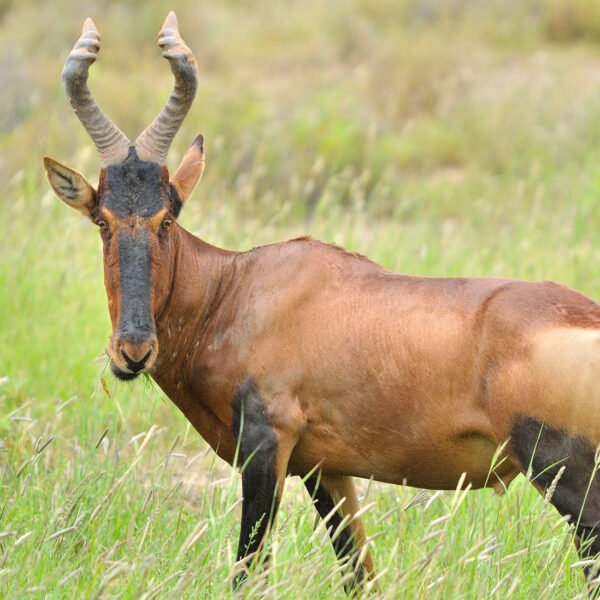
A hardy antelope recognized by its long face and uniquely curved horns. Red hartebeest are often seen grazing in open bushveld and grassland areas.
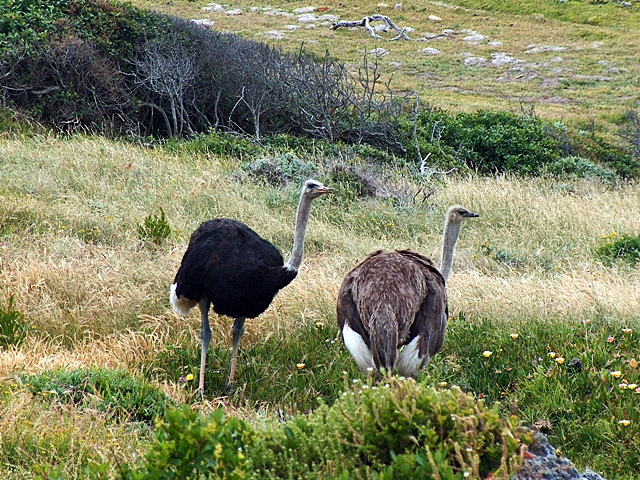
The world’s largest bird, the ostrich is commonly seen roaming open bushveld and grassland areas. Known for their speed and powerful legs.
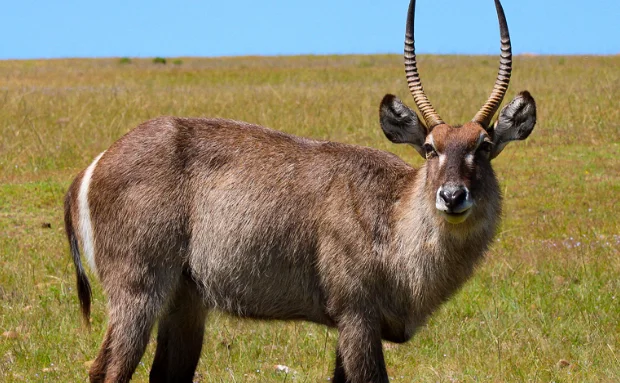
A large antelope often found near rivers and water sources. Waterbuck are recognised by their shaggy coats and strong curved horns.
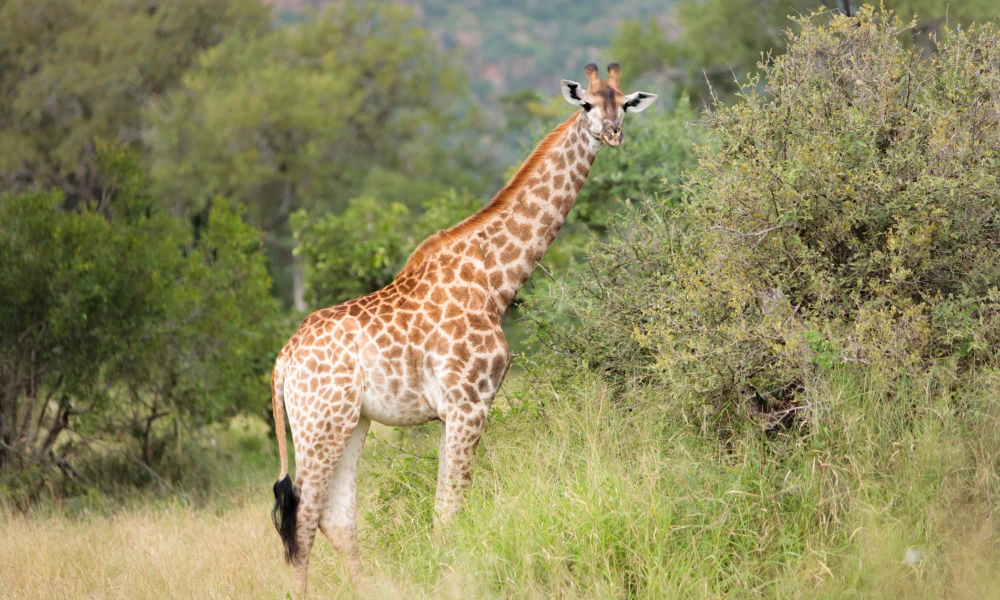
The tallest land animal, giraffes are peaceful browsers often seen feeding from treetops in open bushveld areas. Their calm nature and unique appearance make them a favorite among visitors.
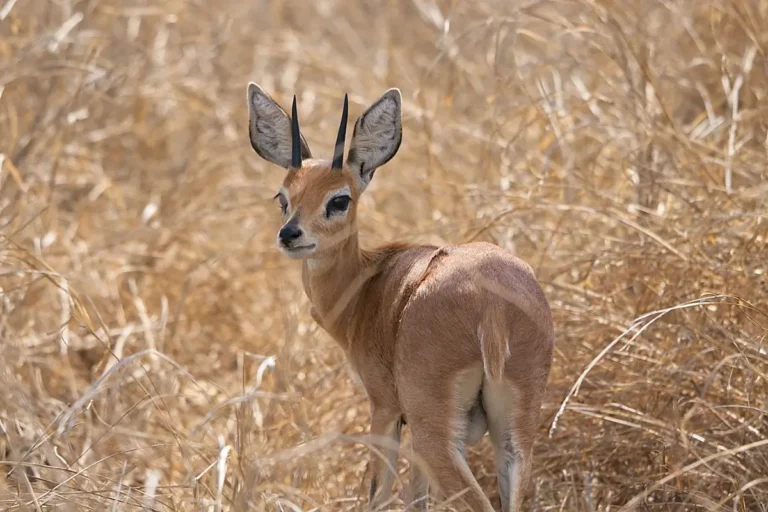
A small and shy antelope commonly found in bushveld and grassland areas. Steenbuck are usually seen alone and are known for their alert and quick movements.
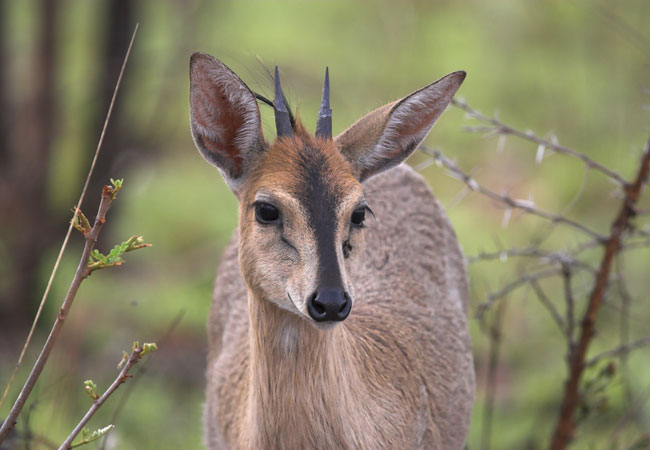
A small and shy antelope that prefers dense bushveld and woodland areas. Duikers are usually seen alone and are known for their secretive behaviour.